
Ed Sheeran Refunds Begin in Philadelphia as Softening Ticket Market Puts Pressure on Fans
Ed Sheeran fans seeking an exit from his Loop Tour are beginning to report receiving full refunds for Saturday’s Philadelphia…
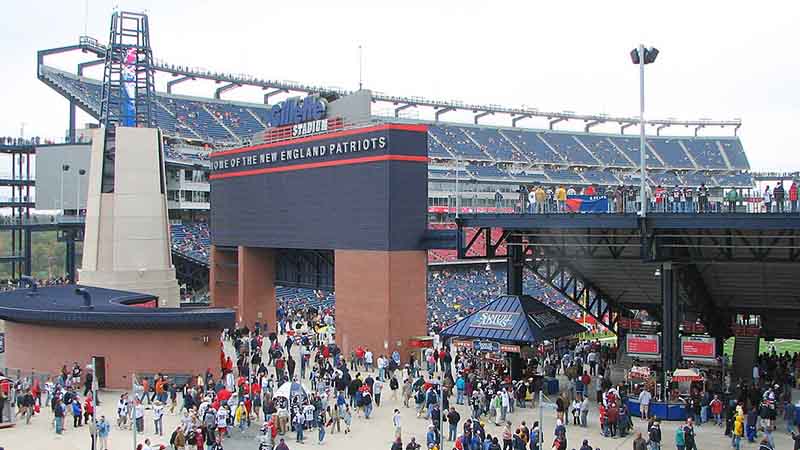
Ed Sheeran fans seeking an exit from his Loop Tour are beginning to report receiving full refunds for Saturday’s Philadelphia concert, even as the ticket market for upcoming shows softens and questions remain over what options will be available to fans holding tickets for next week’s Gillette Stadium dates.
Multiple Philadelphia ticketholders reported Friday that Ticketmaster had granted them full refunds for Sheeran’s Sept. 19 concert at Lincoln Financial Field after they requested them through the venue or Ticketmaster customer service.
In a Reddit discussion reviewed by TicketNews, the original poster said their tickets were first marked void after contacting Lincoln Financial Field and later confirmed that a refund had been approved. Several other users independently reported obtaining full refunds through Ticketmaster’s phone or online chat support, including customers who said Ticketmaster told them to expect the money within five to seven days.
At least one user said the refunded amount was already visible in their bank account. Others reported that Lincoln Financial Field directed them back to Ticketmaster before the refunds were processed.
TicketNews has not found a public announcement from Ticketmaster, Lincoln Financial Field or Sheeran’s tour establishing a blanket refund policy for the Philadelphia show. The concert has not been canceled and remained listed for sale through Ticketmaster Friday.
There is not yet similar evidence that the refund accommodation has been extended to Sheeran’s Sept. 25 and Sept. 26 concerts at Gillette Stadium.
The Massachusetts Attorney General’s Office has now received at least 25 consumer complaints related to refund requests for the Gillette concerts, a spokesperson for the office told TicketNews Friday.
That represents a sharp increase from the at least nine complaints first reported by The Boston Globe a day earlier. The requests follow Macklemore’s removal from Sheeran’s remaining stadium dates and the subsequent departure of other support acts from the tour.
The Attorney General’s Office cautioned that the ticket terms state opening acts are subject to change and that a lineup change does not necessarily entitle a purchaser to a refund.
“We are reviewing the complaints and the applicable terms and conditions and have no further comment at this time,” the office said through a spokesperson.
Sheeran’s official North American tour FAQ similarly tells customers that ticket sales are final and says customers who change their minds are not entitled to a refund or exchange. Ticketmaster is the official ticketing company for both Gillette Stadium dates.
The reported Philadelphia refunds therefore represent an unusual accommodation for at least some ticketholders despite the show proceeding as scheduled. Whether fans attending the Massachusetts dates will ultimately receive the same option remains unresolved.
For buyers who cannot obtain refunds, the ability to resell an unwanted ticket becomes particularly important. But at the same time fans are looking for an exit, TicketNews data shows more tickets entering the resale market and prices weakening in several places.
Resale Inventory Grows as Prices Soften
Across three snapshots of Loop Tour resale inventory taken Sept. 15, Sept. 16 and Friday morning, Sept. 18, the approximate Ticket Club member-price get-in declined from $71 to $67, a 5.9% drop.
The number of active tickets represented in the data climbed from 87,943 to 93,961 during the same period, an increase of 6.8%. The inventory-weighted average slipped from approximately $305 to $301, while the median remained essentially unchanged at $270.
The results point to a softening market rather than an across-the-board collapse.
The trend is particularly notable for the approaching Gillette Stadium dates. Resale inventory for the Sept. 25 show increased from 17,883 tickets on Sept. 15 to 22,669 by Friday morning, an increase of nearly 27%. Inventory for the Sept. 26 show climbed from 5,390 to 6,584 tickets, or about 22%.
Prices were more mixed. The approximate Ticket Club get-in for Sept. 25 edged from $99 to $95, while the inventory-weighted average fell from approximately $329 to $312. For Sept. 26, the get-in actually increased from $72 to $102 even as the inventory-weighted average declined from approximately $391 to $369.
Philadelphia, where Sheeran is scheduled to perform Saturday, showed considerably sharper downward movement: the approximate Ticket Club get-in declined from $114 on Sept. 15 to $75 Friday morning, while the inventory-weighted average dropped from approximately $271 to $254.
Several Loop Tour dates were already carrying meaningful unsold inventory before the Macklemore controversy developed. The available data therefore cannot establish that the controversy caused the price movement. It does show that supply has increased and prices have weakened in portions of the market while some fans are publicly seeking to get rid of their tickets.
The Independent has separately reported complaints from Sheeran ticketholders trying to sell unwanted tickets following the lineup upheaval.
Resale Beats Ticketmaster at the Gillette Get-In
A point-in-time comparison between Ticketmaster’s remaining primary inventory and the competitive resale market shows why marketplace choice can matter when prices are moving.
For the Sept. 25 Gillette concert, Ticketmaster showed a lowest available ticket of $112.96 in the snapshot supplied to TicketNews, with required fees included before any applicable taxes. The approximate Ticket Club member-price get-in at the same time was $95.
For Sept. 26, the difference was wider: Ticketmaster’s lowest observed price was $149.26, compared with an approximate Ticket Club get-in of $102.
Those comparisons do not mean resale was uniformly cheaper.
Ticketmaster was actually less expensive in several specific lower-level and floor comparisons. A Sept. 25 Section 101, Row 37 ticket was available through Ticketmaster for $209.71, for example, compared with an approximate $260 Ticket Club price for resale inventory in the same section and row. Ticketmaster’s $288.91 floor ticket in Section C4, Row 14 was also below the approximately $358 resale comparison.
The same pattern appeared Sept. 26.
In other words, neither market was consistently cheaper. Primary inventory offered better value in some desirable locations while the competitive resale market provided a substantially cheaper way simply to get inside the stadium.
The problem looks different from the perspective of someone trying to sell.
One Buyer Is Already Competing Against Cheaper Primary Tickets
A Ticketmaster search for the Sept. 25 Gillette concert supplied to TicketNews Friday showed extensive remaining primary inventory, including a line of seats in Section A3, Row 20 offered at $288.91 each.
A TicketNews source who purchased four nearby seats in Section A3, Row 23 earlier in the sales cycle says they paid approximately $325 per ticket and can no longer attend.
Nearby primary inventory is therefore now available for about $36 less per ticket than that buyer paid — a difference of more than $144 across four tickets — before the buyer begins competing with inventory elsewhere in the market.
The comparison does not establish why the prices differ. The Row 20 seats could have been priced differently from the beginning, repriced as demand changed or released from inventory that was unavailable earlier.
Ticketmaster says event organizers determine ticket face values as well as how many tickets are sold and when inventory is put on sale.
TicketNews asked Messina Touring Group/AEG Presents whether prices for the remaining Gillette inventory have been reduced since the initial onsale or whether additional tickets have recently been released.
The companies were also asked whether Ticketmaster resale is currently disabled for the Gillette concerts, who controls that decision, whether ordinary ticket transfers are enabled and whether consumers would be permitted to sell below their original purchase price if an official resale option is activated.
Messina Touring Group/AEG Presents responded to TicketNews’ inquiry but had not provided an on-the-record response to those questions as of publication time. Ticketmaster was sent the same questions and had not responded.
Fans have separately reported being unable to use Ticketmaster’s resale function for the shows. TicketNews has not confirmed whether ordinary transfers to buyers on third-party marketplaces are currently enabled for the Gillette dates.
Sheeran Fans Have Encountered the Downside of Fixed Resale Before
The issue has particular relevance to Sheeran because his tours have previously imposed tight restrictions intended to stop tickets from being resold above their original prices.
In 2019, TicketNews reported on Sheeran fans who complained that the authorized resale system left them unable to recover money for tickets they could no longer use. The system prevented sellers from lowering their prices sufficiently to compete with unsold primary inventory, according to complaints reported at the time.
The promoter defended those rules as part of an effort to prevent ticket touts from profiting from high-demand shows.
Ticketmaster now offers artists a related mechanism through its Face Value Exchange. When a tour uses that system, Ticketmaster says a seller’s asking price is automatically set at the total amount originally paid and cannot be changed. The company describes the restriction as a way for artists to minimize scalping.
TicketNews has not established that Sheeran’s current Gillette shows are using Face Value Exchange.
But the mechanism illustrates the distinction between controlling prices in an overheated market and allowing consumers to respond when demand moves in the opposite direction. A rule preventing a $150 ticket from being resold for $300 also prevents a seller from asking $125 when that is all the market will bear if the exchange fixes resale at the original purchase price.
Massachusetts Ticket Fight Puts the Issue in a Wider Context
The questions are emerging while Massachusetts lawmakers negotiate a broader economic-development package containing significant ticket-resale restrictions.
The Senate-approved language would generally prohibit ticket businesses from reselling concert tickets for more than 110% of their original price, subject to exceptions including tickets sold under a written agreement permitting higher resale prices with approval from the entertainer and venue. The House did not accept the Senate amendment on July 30, and a conference committee was appointed to negotiate the competing versions. The Legislature continued to list the bill in conference as of Friday.
The proposed 110% restriction is a price ceiling, not a price floor. It would not by itself prevent a consumer from selling a ticket below the amount originally paid.
Massachusetts law separately permits an event operator to restrict a ticket’s transferability when the restrictions are clearly and conspicuously disclosed before purchase and the consumer acknowledges them before completing the transaction.
TicketNews has previously covered the debate over the proposed Massachusetts resale cap, including arguments from supporters that it would limit extreme resale markups and criticism from secondary-market interests that regulating resale while leaving primary pricing unrestricted could give event organizers greater control over ticket distribution.
The current Sheeran situation does not resolve that policy dispute. It does provide a real-time example of the less-discussed side of ticket resale: prices can fall as well as rise, and consumers who need to sell an unwanted ticket may be trying to recover money in a market worth less than it was when they bought.
The reported Philadelphia refunds add another dimension. Some customers there say Ticketmaster is now allowing them to exit their purchases entirely even though the concert remains scheduled, while at least 25 Massachusetts consumers have contacted the Attorney General’s Office seeking refunds for the Gillette dates.
Whether the Philadelphia accommodation will eventually extend to Gillette remains unanswered. For Massachusetts customers who instead need to resell, two other questions also remain unresolved: whether they are free to transfer their tickets to a competing marketplace, and whether Ticketmaster will give them a way to sell through the official box office if the market continues moving against them.
Read next
More headlines

Sep 18, 2026
St. Pete Country Fest Adds StubHub as Official Resale Marketplace
StubHub has been named the Official Ticket Resale Partner of St. Pete Country Fest, giving fans an official secondary marketplace…

Sep 18, 2026
‘Spring Awakening’ Revival Reveals Complete Off-Broadway Cast
Complete principal casting has been announced for the upcoming Off-Broadway revival of “Spring Awakening,” directed by Tony Award winner Danya…

Sep 18, 2026
Malcolm Todd Expands ‘Do That Again Tour’ With International Dates
Malcolm Todd has expanded his “Do That Again Tour” with 24 concerts across Asia, Europe, the United Kingdom and Australia….