
FTC Announce BOTS Act Settlement With Georgia-Based Elite Events
The ticket broker disputes that it intentionally broke federal law but agreed to sweeping restrictions on its purchasing practices after…
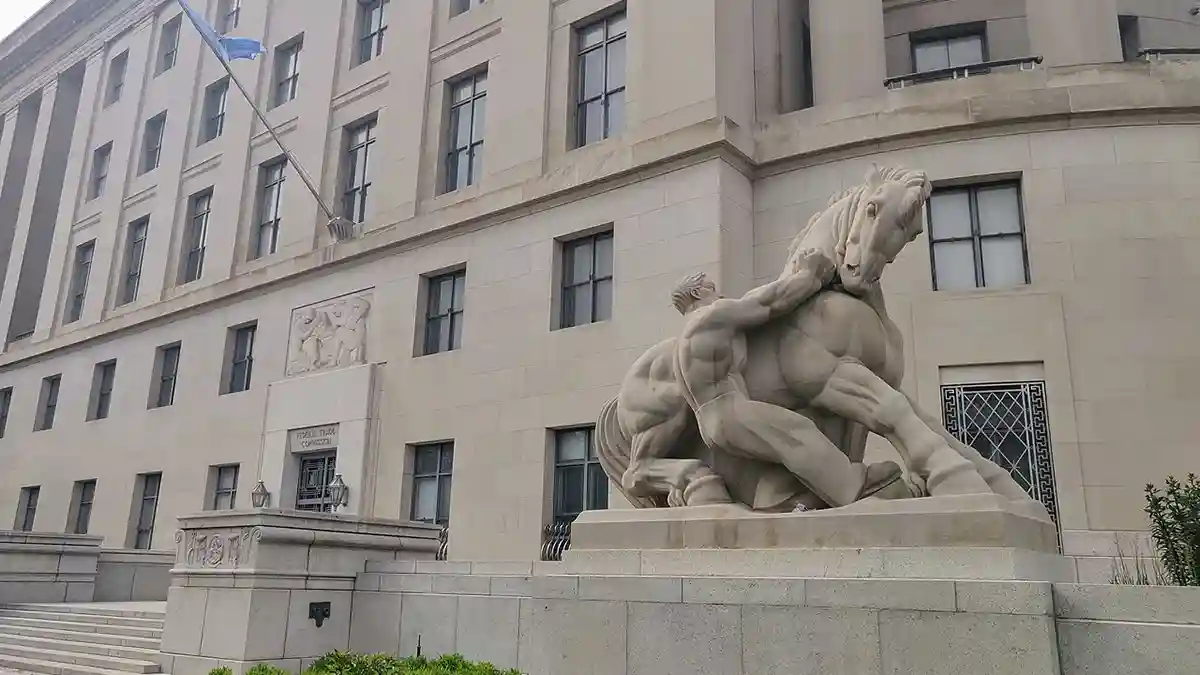
The ticket broker disputes that it intentionally broke federal law but agreed to sweeping restrictions on its purchasing practices after regulators alleged it bypassed ticket limits for more than 2,400 events.
The Federal Trade Commission announced that they and Elite Events – a Georgia-based business – have agreed to a settlement deal to resolve alleged violations of the Better Online Ticket Sales Act. In the settlement, the company and its owners agreed to pay $300,000 and accept permanent restrictions to resolve the alleged violations, though they did not admit to any wrongdoing.
In a statement issued after the FTC announced the proposed settlement, Elite said it “respectfully disagree[s]” with the characterization that the company intentionally violated federal law by circumventing measures intended to enforce ticket-purchasing limits.
Elite said the agreement resolves claims concerning conduct between 2022 and 2025 without an admission or denial of the FTC’s allegations. The company described the settlement as an opportunity to adapt its business practices and reaffirmed its support for transparency, consumer education and a “fairer marketplace.”
“Our mission has always been centered on serving fans,” Elite CEO Kevin McKerley said. “We support efforts that improve transparency, strengthen consumer confidence, and create a fairer marketplace for everyone.”
The FTC, however, alleges that Elite Events built a large-scale purchasing operation designed to make coordinated ticket acquisitions appear to come from unrelated individual buyers.
According to the agency, Elite used hundreds of accounts, virtual credit-card numbers, proxy IP services and multi-session browsers to exceed ticket limits for more than 2,400 concerts, sporting events and other high-demand events. The tickets were then resold on secondary marketplaces at a profit.
The proposed order imposes more than $10.7 million in civil penalties against Elite, McKerley and company co-owner Aaron Fera. All but $300,000 would be suspended because of the defendants’ stated inability to pay the full judgment.
The entire amount could become immediately due if the court determines that the defendants misrepresented their financial condition. The settlement must still be approved and signed by a federal judge.
FTC Alleges Coordinated Effort to Evade Limits
The BOTS Act, enacted in 2016, prohibits circumventing technological controls used by ticket issuers to enforce posted purchase limits or maintain the integrity of ticket-buying rules.
Public discussion of the law often focuses on automated purchasing bots. The FTC’s Elite complaint takes a far broader view of the potential application of the statute – treating a broader collection of methods allegedly used to conceal that numerous purchases were connected to the same ticket-resale business.
The agency says Elite employed hundreds of purchasing agents, including many based outside the United States. Those agents allegedly used accounts established with fictitious information or with names and contact information belonging to company employees.
Elite also allegedly used virtual-card services capable of generating numerous credit-card numbers, proxy services that made purchases appear to originate from different locations and multi-session browsers that allowed a user to operate several independent ticket-buying sessions at once.
Ticketmaster, AXS and other ticketing platforms claim they use account information, payment credentials, email addresses, phone numbers and IP addresses to identify related purchases and enforce limits. The FTC contends that Elite’s methods were intended to defeat those controls.
“Consumers should be able to purchase tickets to events without having to contend with bad actors who drive up prices and make it harder for fans to see their favorite artists and athletes,” FTC Bureau of Consumer Protection Director Christopher Mufarrige said.
The complaint alleges that McKerley and Fera directly participated in the practices. The FTC also cited their appearance in an April 2025 CBS Mornings report about ticket resale, saying the company’s operators discussed their purchasing methods and use of circumvention technology.
Elite’s response does not dispute that the company used a network of buyers or multiple purchasing tools. Instead, it rejects the FTC’s characterization that its conduct amounted to an intentional effort to violate the BOTS Act.
Metallica Purchases Cited by Regulators
The FTC highlighted Elite’s purchases for a May 2025 Metallica concert at Virginia Tech as an example of the alleged conduct.
According to the complaint, Elite used 75 accounts to purchase 277 tickets between September 2024 and March 2025, although the ticket seller limited individual buyers to no more than six tickets.
The company allegedly paid between $50 and $270 per ticket before reselling the inventory for prices ranging from $100 to $400.
The FTC says similar methods were used across more than 2,400 events. Its complaint describes the purchasing operation as a systematic business practice rather than an isolated instance in which an employee or customer accidentally exceeded an event limit.
The order would permanently prohibit Elite, McKerley and Fera from circumventing security measures or other technological controls used to enforce ticket limits. It would also bar them from using multiple accounts, IP addresses or multi-session browsers for that purpose.
The defendants would be prohibited from purchasing tickets using payment accounts in the names of people other than McKerley or Fera. The restrictions also cover the use of third parties and automated tools to evade event rules.
Those provisions could require substantial changes to a brokerage model that, according to the FTC’s allegations, depended on distributing purchases across a large group of accounts, buyers and payment methods.
Elite Announces Consumer Education Portal
Alongside its settlement response, Elite announced the launch of a free consumer resource called the TruFan Portal.
The company says the portal will offer information about preparing for high-demand on-sales, establishing and verifying ticketing accounts, avoiding fraudulent sellers and locating presale and public on-sale dates. Fans will also be able to identify three events for which they want personalized alerts.
Elite said the service is intended to help consumers participate in ticket sales while complying with ticket issuers’ limits and the BOTS Act.
The consumer-facing announcement allows Elite to present itself as supporting reforms in the ticket market rather than resisting them. Its statement says that although some ticket-industry participants are fighting increased attention to consumer protection and transparency, “we are not.”
The FTC voted 2-0 to authorize the complaint and stipulated order. The filings were submitted in the U.S. District Court for the Southern District of Georgia’s Augusta Division.
Read next
More headlines

Sep 16, 2026
Macklemore Challenges Robert Kraft With $1M Palestine Donation as Loop Tour Fallout Continues
UPDATED: Sept. 16, 7:21 PM Macklemore says he will donate the entirety of the $1 million in net earnings he…
Sep 16, 2026
House Committee Advances Amended MAIN Event Ticketing Bill; Advocates Warn Against Turning Ticketmaster Rules Into Federal Law
The MAIN Event Ticketing Act is headed toward possible consideration by the full House after clearing the House Energy and…

Sep 16, 2026
Andrea Bocelli Charlotte tickets on sale at Spectrum Center
Andrea Bocelli will perform at Spectrum Center in Charlotte, North Carolina, on Jan. 29, 2027. The concert is scheduled to…